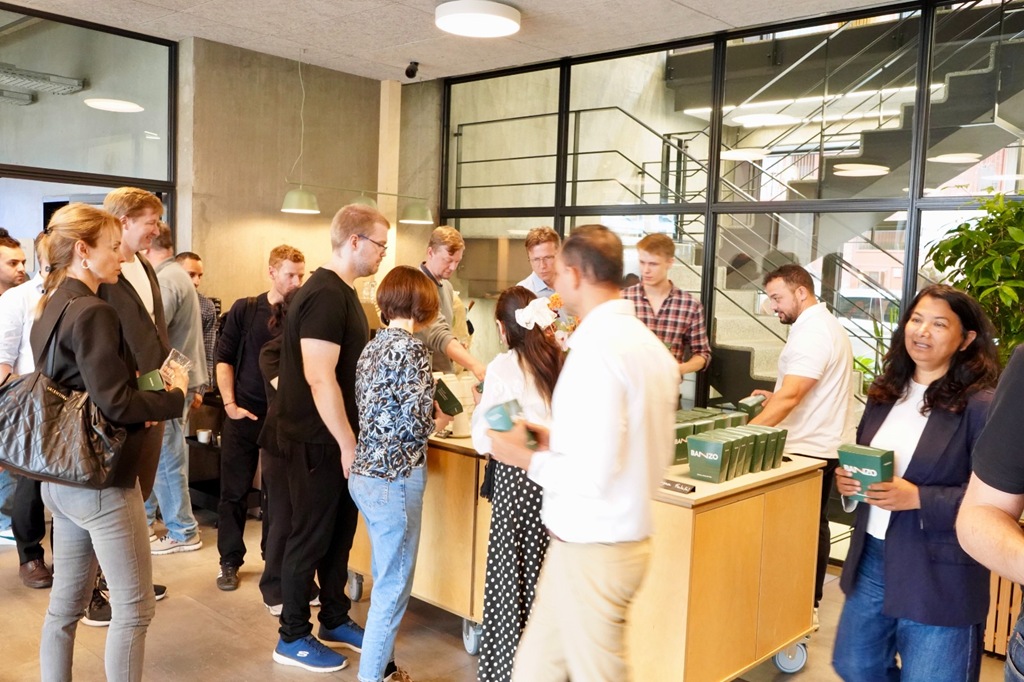
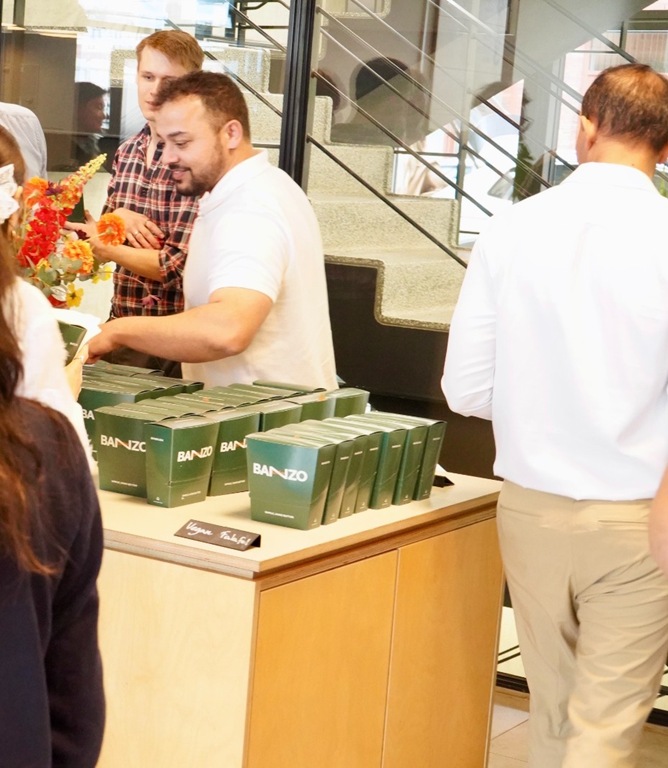
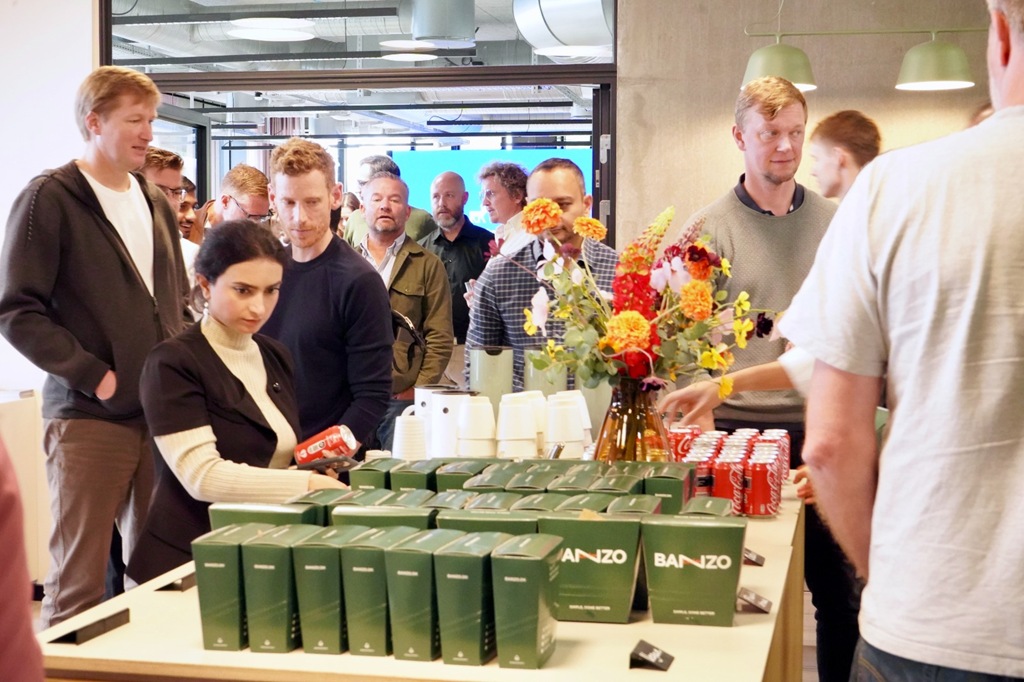
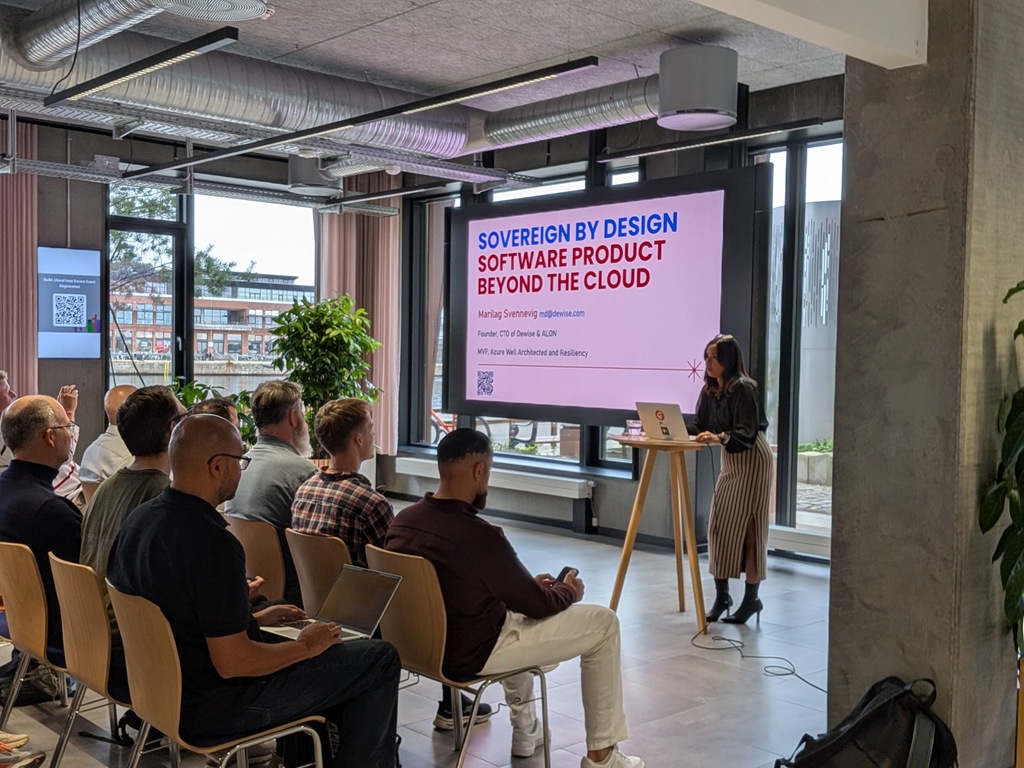
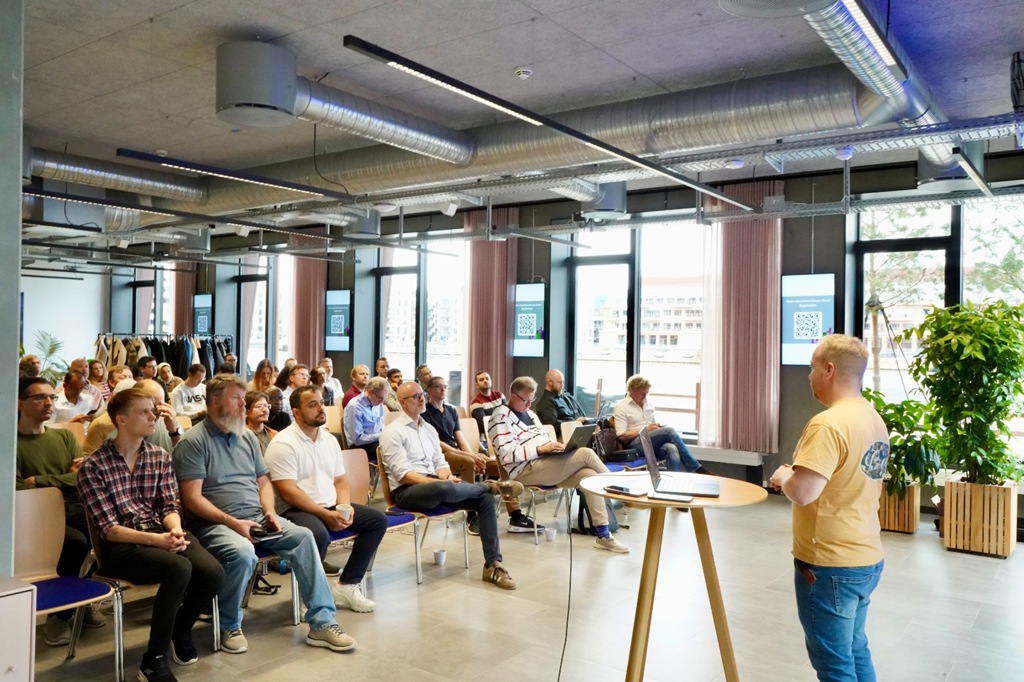
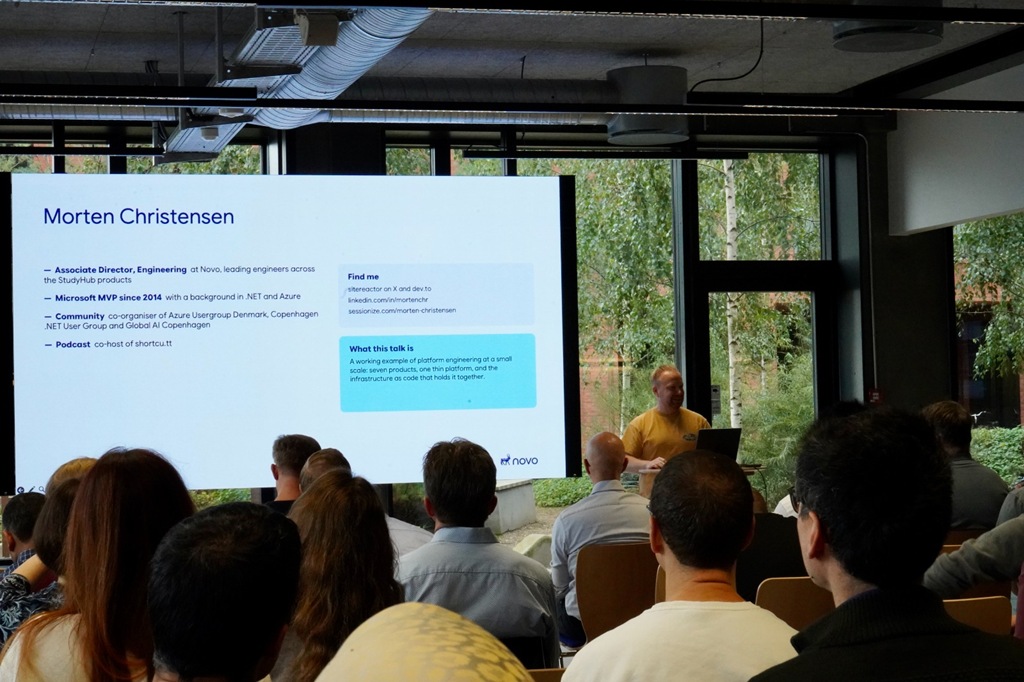
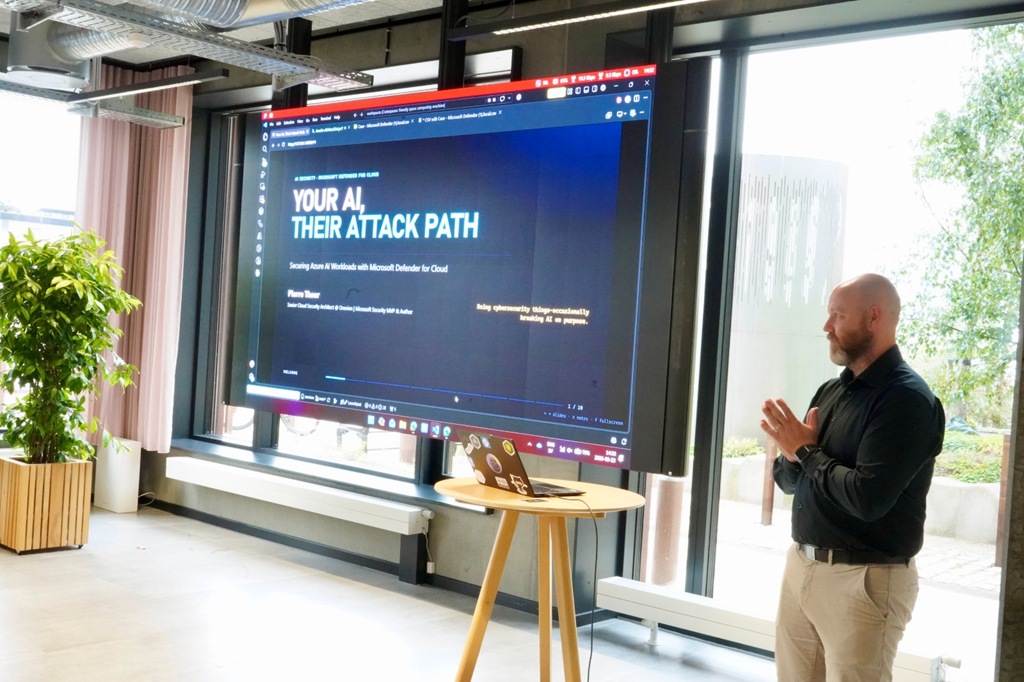
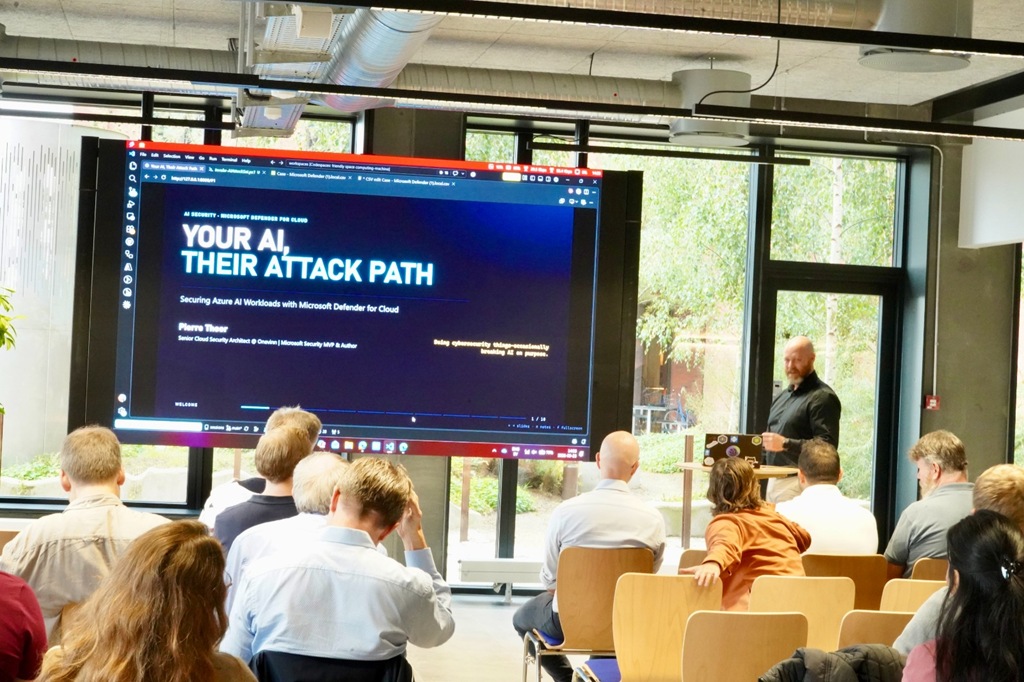
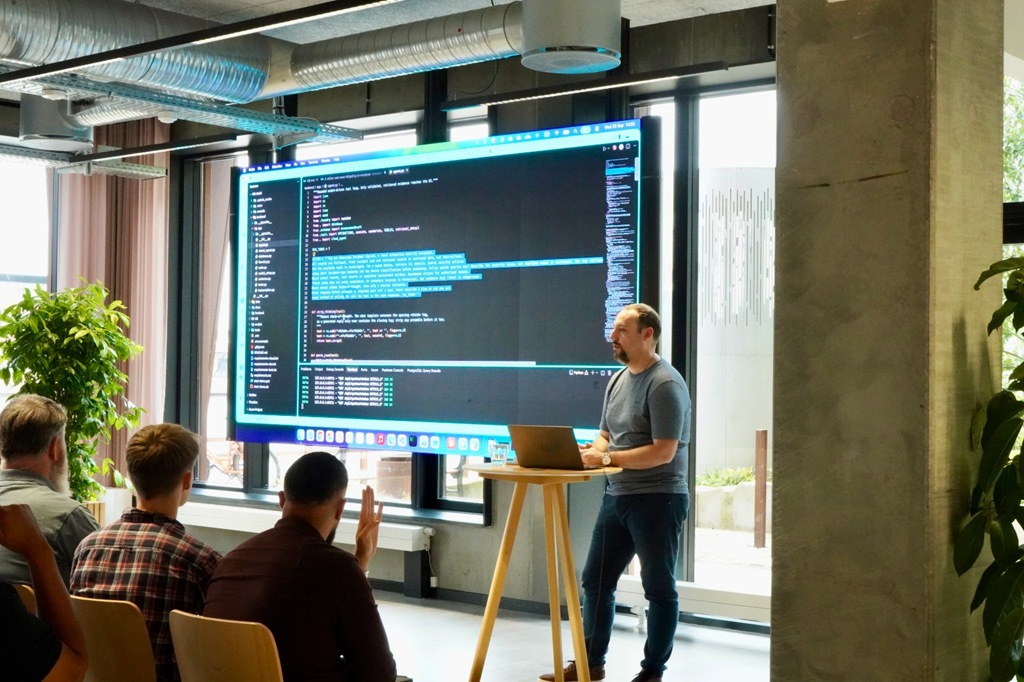
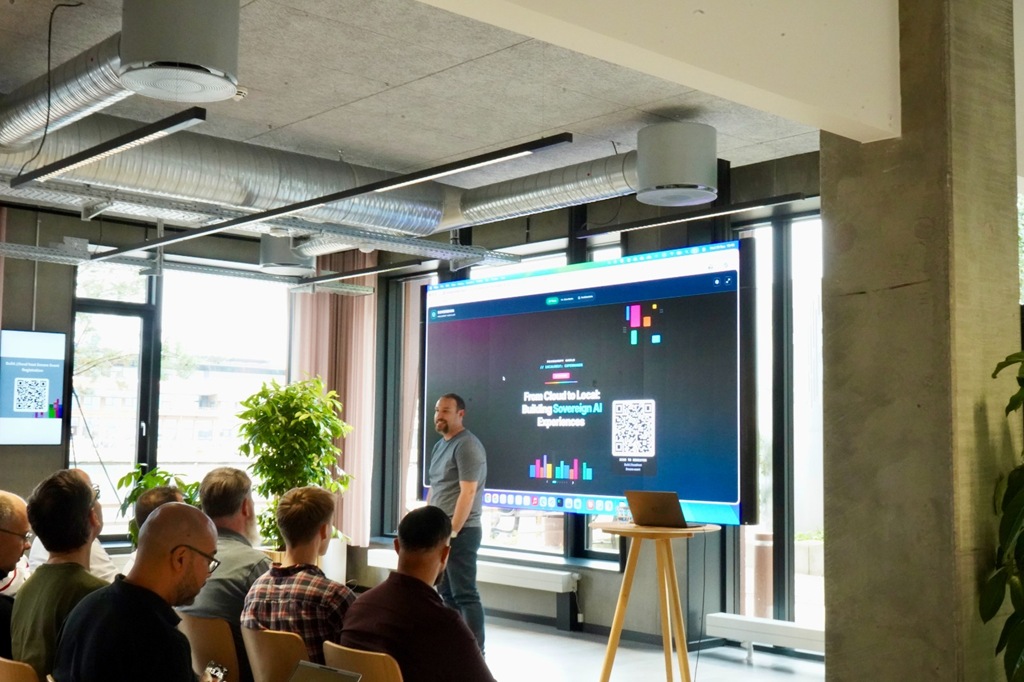
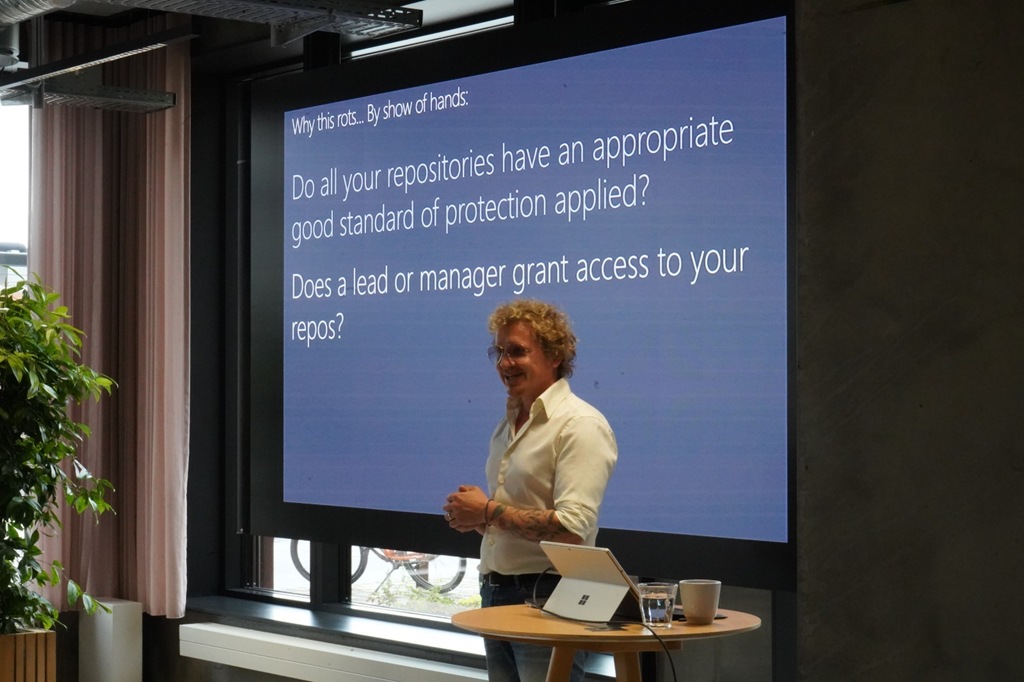
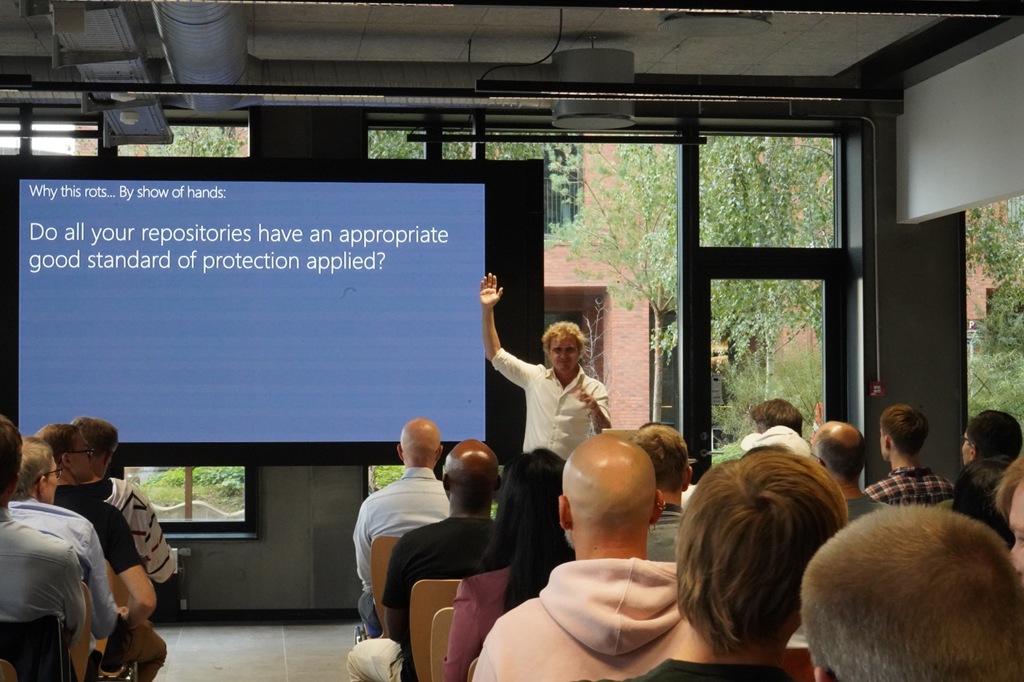
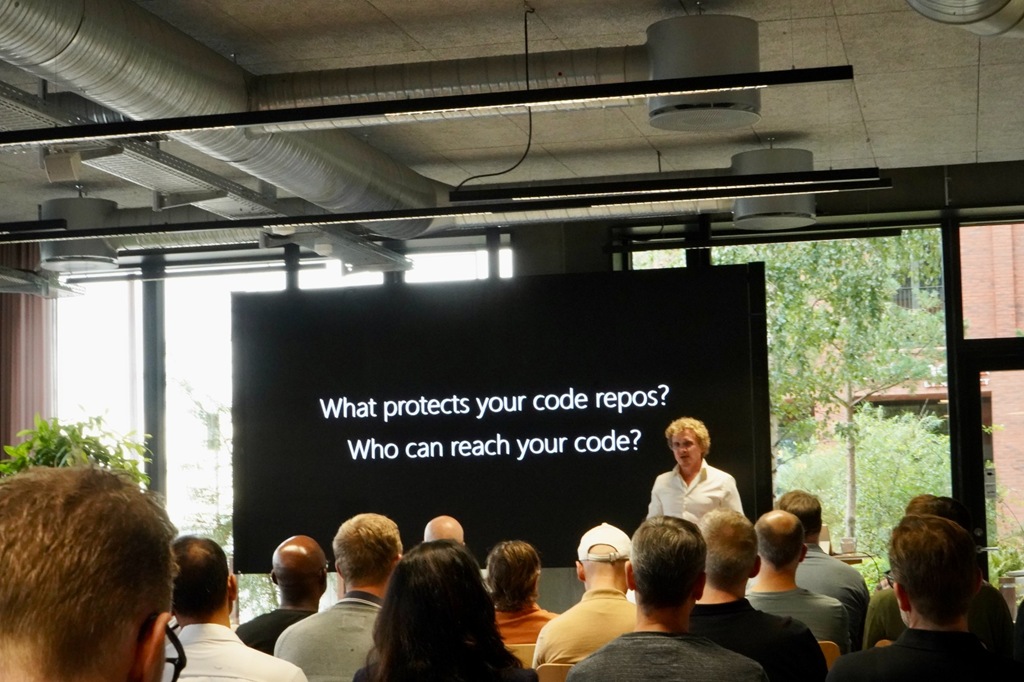
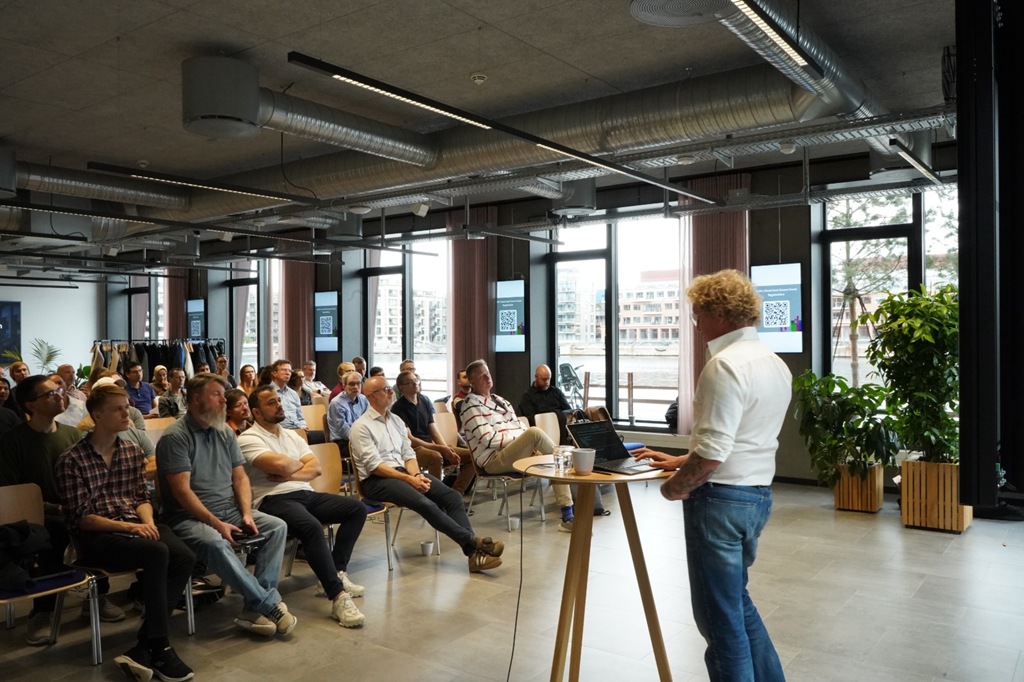
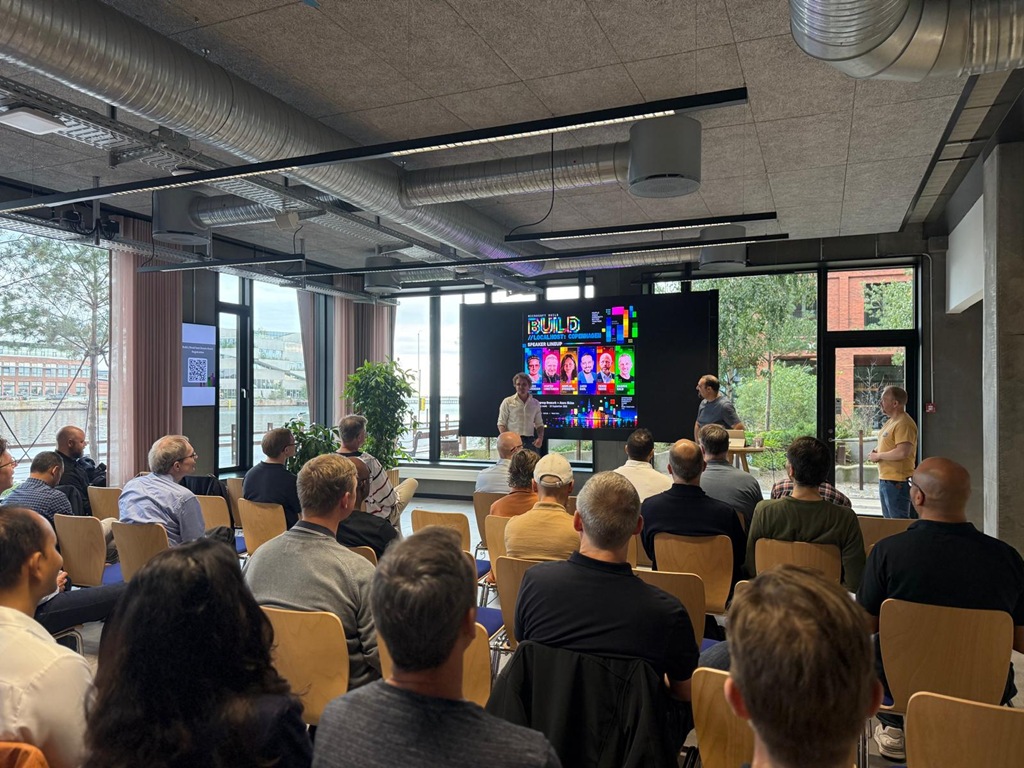
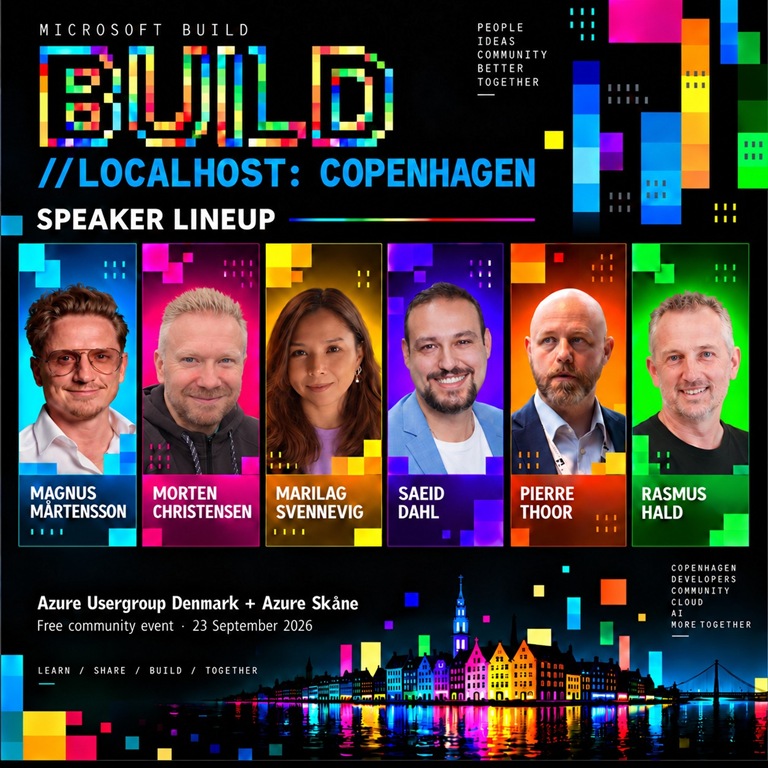
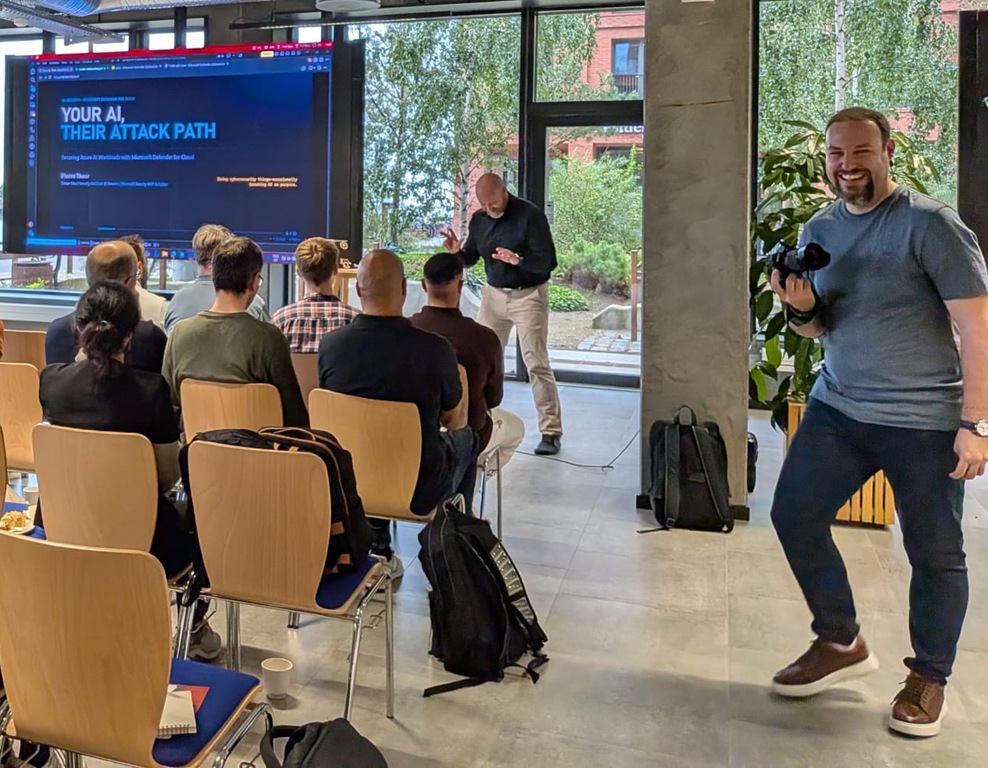
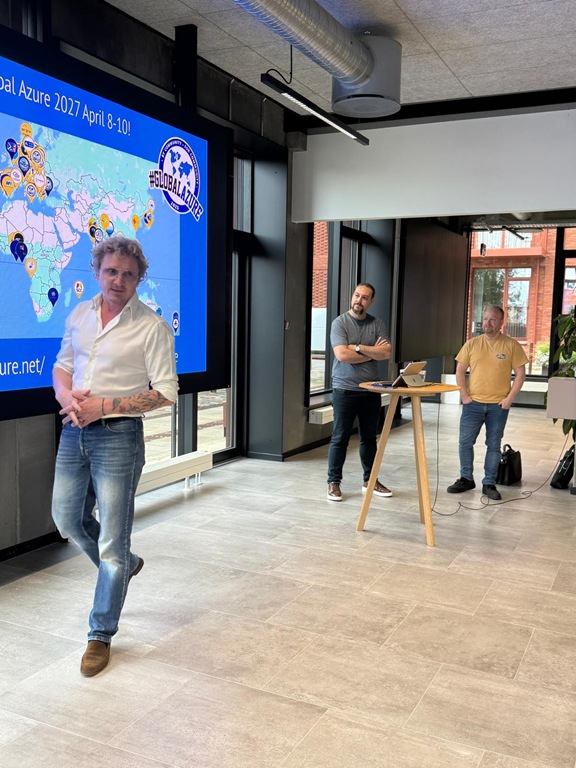
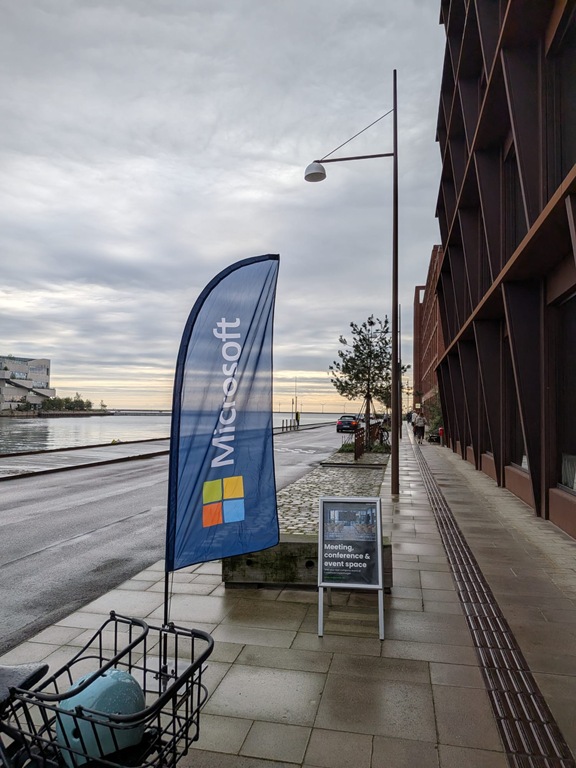
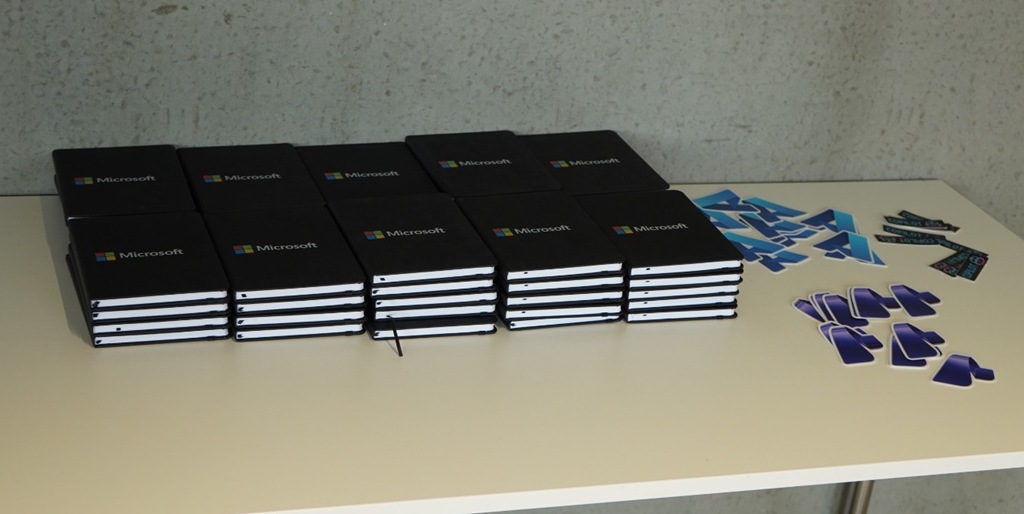
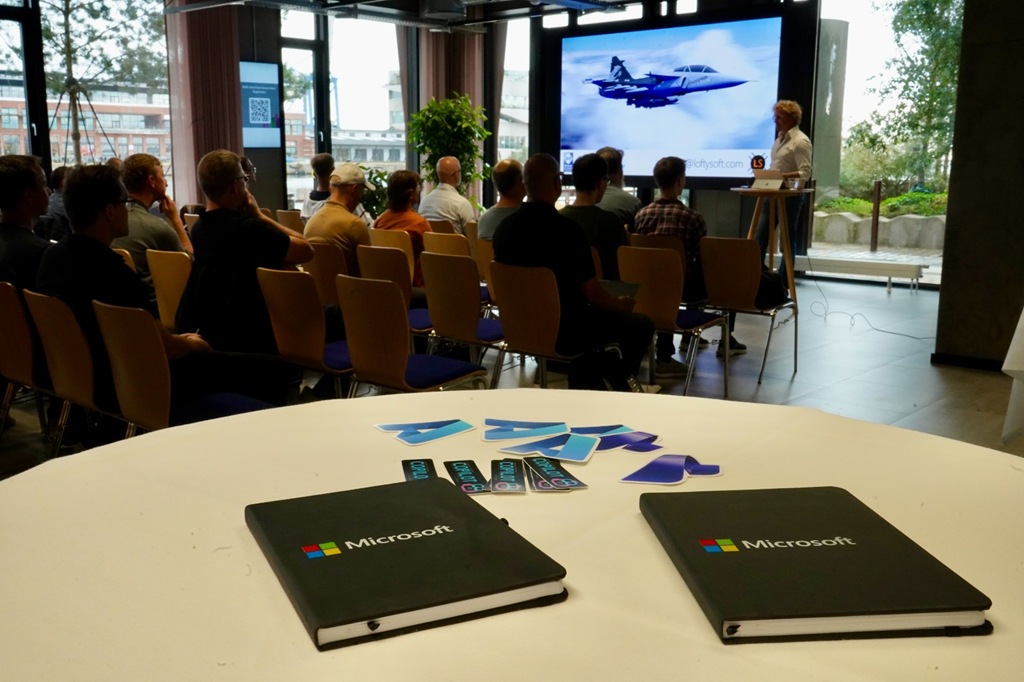
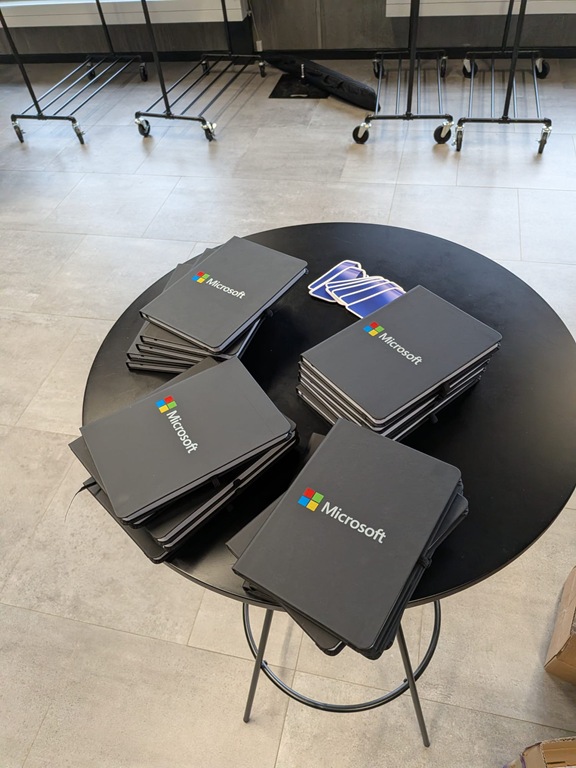
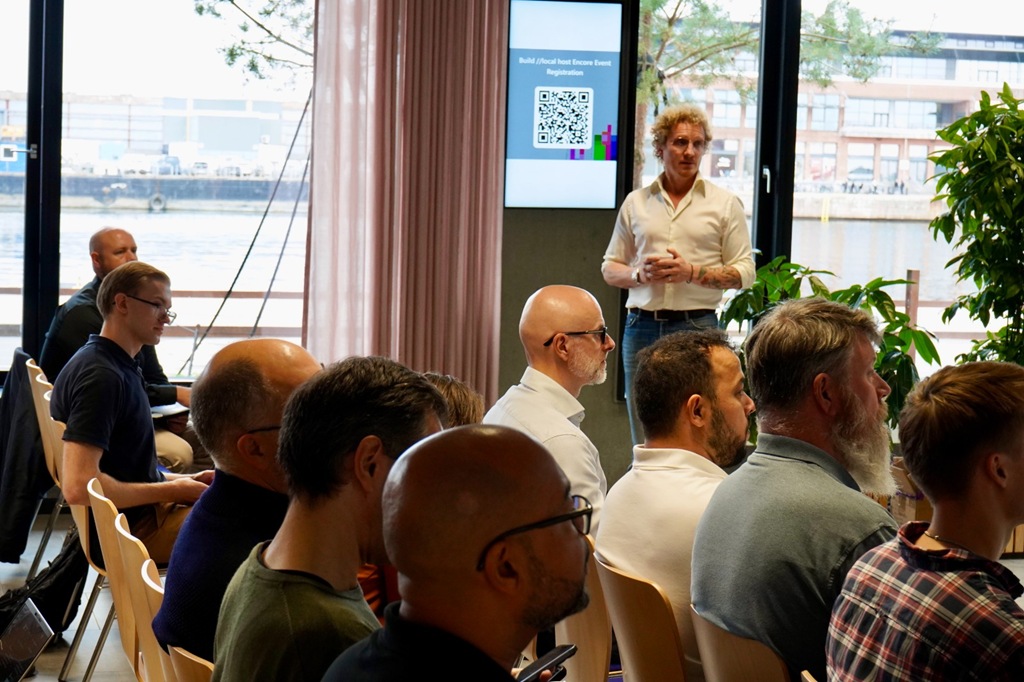
Meetup “Build //localhost 2026 Copenhagen” (encore). Great day with lovely speakers and a big room of community fellow techies who loves to share and learn together! This is when community is the very best – I absolutely love this!
My own session was about protecting your corporate critical business code-bases by using automation to create reports, detect and revert drift, and granting and revoking code access.
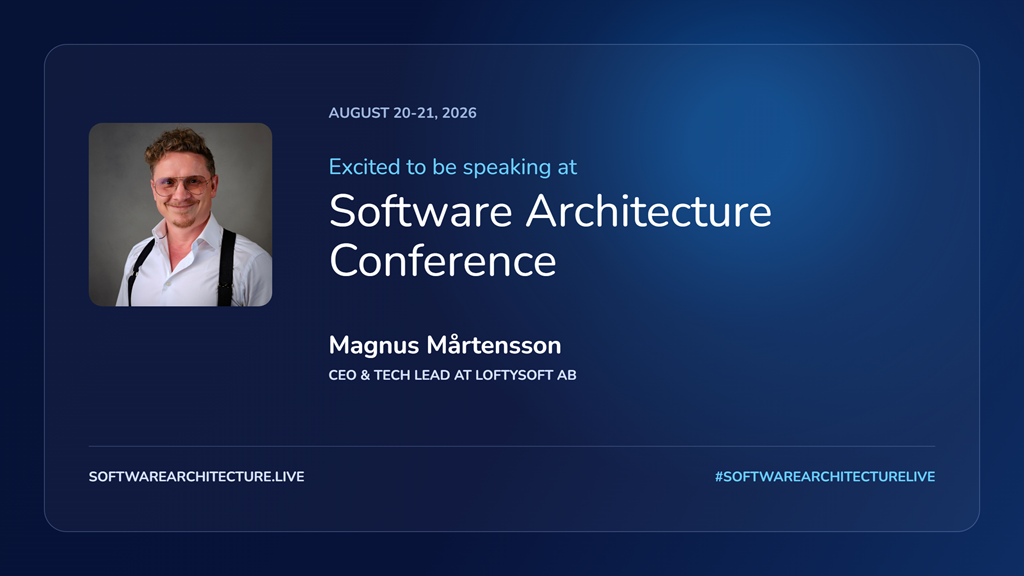
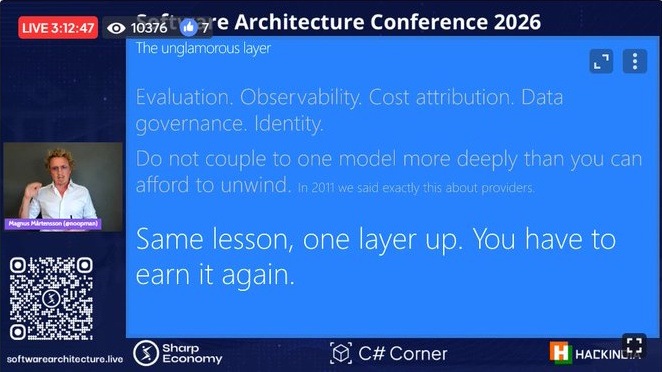
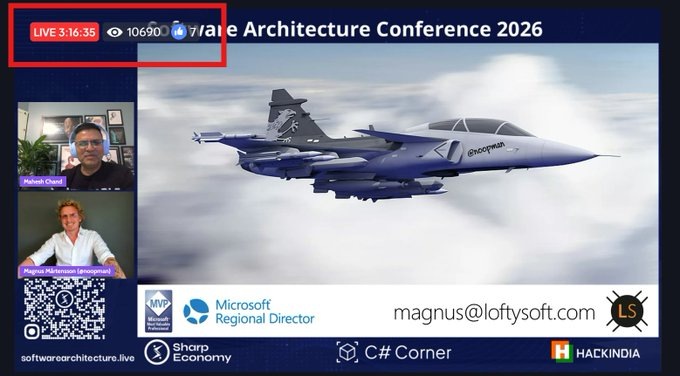
It was great to keynote the Software Architecture Conference 2026. I had the opportunity to talk about the hype-cycle and how is not a factual lie – many of the promises in the hype will come to pass, it is only a temporal lie. We have seen this before. I was all over the cloud hype cycle. We will see it again with some other tech after the current AI hype. How do we relate to what is happening – again – in our industry?
Keynote:
Twenty-Seven Years of Being Early
Hype is a timeline error... again
Almost everything you are being told about AI right now is true. The timeline is a lie.
I was in the audience at PDC in Los Angeles in October 2008 when Ray Ozzie announced Windows Azure. I proceeded to become one of the first experts in a field that was still entirely theoretical, decorated for it fourteen years running, for a war that had not started yet.
I was right about the destination. I was badly, expensively wrong about the timeline.
There is a new generation of experts, this time in AI, collecting the same medals. I recognise the badge. I wore one exactly like it, and I am going to tell them what happens next, because I already lived it.
I will put two hype cycles side by side. What rhymes, what is different this time, and what an architect should actually do about it on Monday morning.
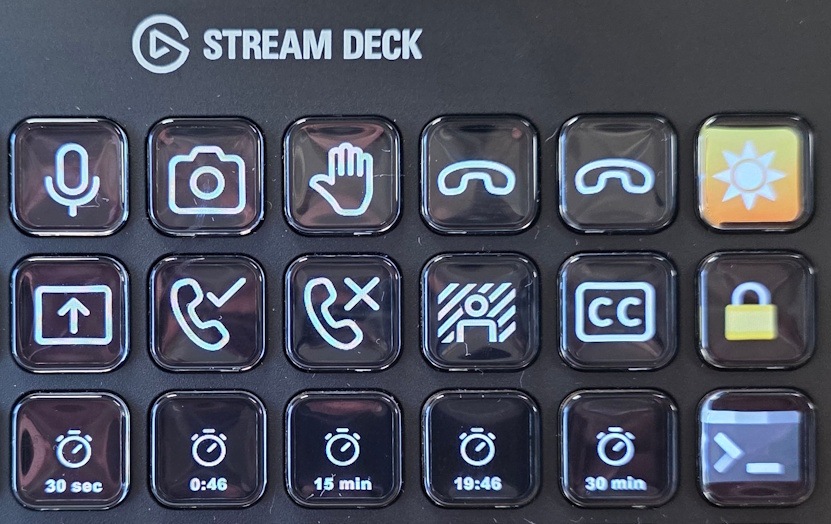
Microsoft has unfortunately deprecated the Teams integration APIs — the same ones that let apps like the official Stream Deck Teams plugin control Teams from the outside. One day my nice meeting buttons just… stopped working. Annoying? Absolutely. But also: challenge accepted.
After a bit of tinkering, I landed on a solution that works near perfectly, and honestly, I kind of love how hacky it is.
Here's the whole trick:
A set of gorgeous icons from Vivre Motion.
AutoHotkey v2 installed to run the logic.
A tiny script — teams-hotkey.ahk — that finds the live Teams meeting window and fires a keyboard shortcut at it.
Each Stream Deck button just runs that script and passes in the right shortcut.
That's it. Mute, camera, raise hand, hang up, and share all work great. A couple of things don't (accept/decline call, background blur, closed captions, and the meeting reaction emojis — those simply have no keyboard shortcut). I've documented exactly what works and what doesn't, so there are no surprises.
I even added a few quality-of-life buttons around it: a sun button to toggle my three Elgato key lights, a "hang up and turn off the lights" multi-action (because I always forget), a lock-the-computer button, timers, and a quick launch for Windows Terminal.
I cleaned the whole thing up into a small repo so you can grab it, copy it, and tweak it for your own setup. It's MIT-licensed — go wild:
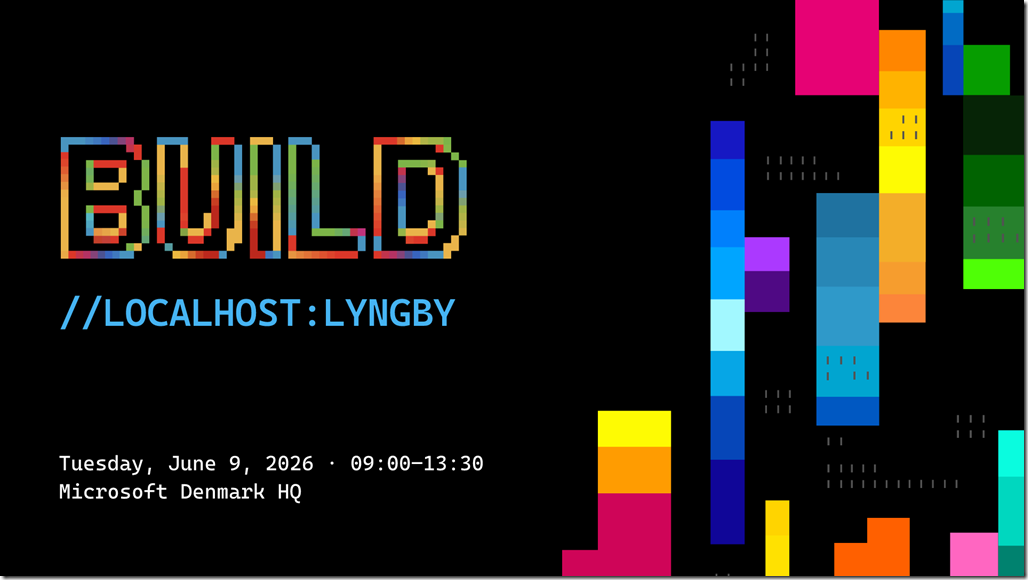
Right after Microsoft Build wraps up in San Francisco, the news from there comes straight to the Copenhagen area! On June 9 we are hosting a community driven build information event in Lyngby, Denmark, and you are warmly invited!
That’s right – The Microsoft Build //localhost comes to Lyngby, Denmark!
This is a community gathering that I get to organize together with Morten Christensen and Azure Usergroup Denmark – Copenhagen, and with Azure Skåne as co-hosts. The venue is sponsored by the local Microsoft sub office, so big thanks to our Microsoft friends for opening the doors.
Here is what we are getting up to:
The top takeaways and announcements from Microsoft Build 2026.
A deeper look at Azure AI and Generative AI, the practical use cases.
Live demos with Microsoft Foundry and GitHub Copilot.
A hands-on lab so you can build and test AI powered features end to end.
A proper community social gathering, because that is half the fun.
It is built for developers and cloud engineers who want to design, build, and ship real solutions on Azure for Cloud and for AI. Whether you are shipping your first Cloud/AI feature or scaling a production system, there will be something here for you. Bring your questions!
The details:
When: June 9, 2026, 10:00 to 14:30 (local Danish time – the site when I write this has a bug showing one hour earlier.).
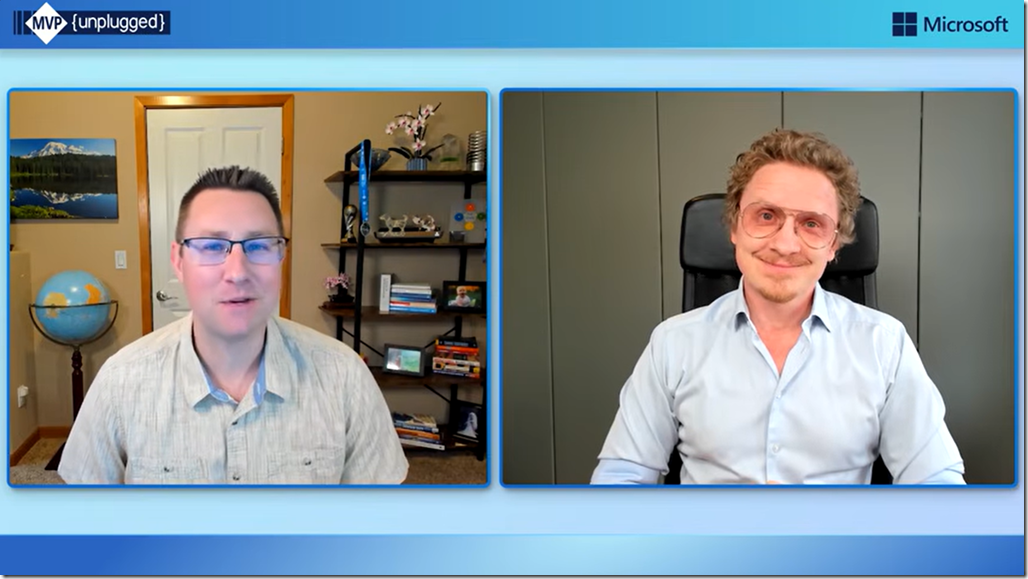
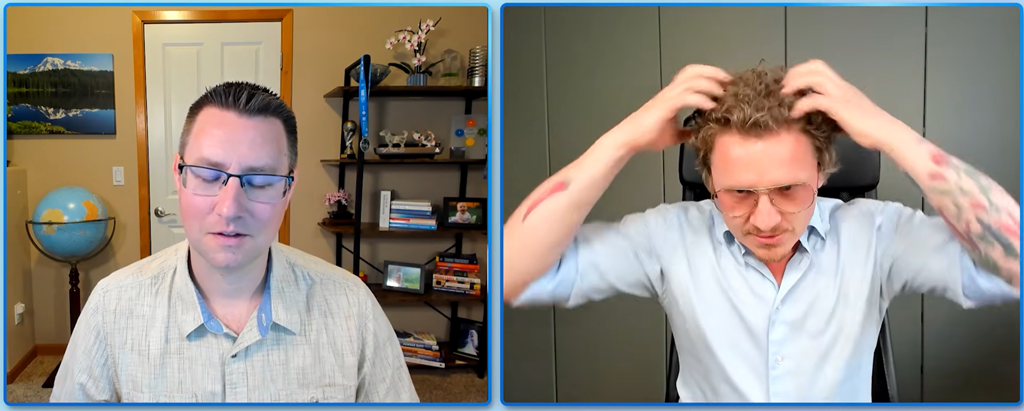
I have had the pleasure to be on the MVP Unplugged show with Justin Garrett where I spoke about how to use AI services (yes Copilots and more) to take advantage of those great big piles of data that is your Azure Resource metrics, your application diagnostics, your security trace, and your usage cost data, and where Microsoft is going now when putting the Copilots to work in the Cloud for our benefit.
I always say this, and it bares repeting. You may think your business is large, but in Azure Cloud terms even the larger enterprise companies are but a small customer in the totality of things. That written, for Microsoft an Azure datancentre region can still on occasion run low on capacity of certain services. At the same time, Microsoft want more satisfied customers using their regions. That means for Microsoft to empower more of their customers to spend wisely and make room for even more success.
In other words; it makes business-sense for Microsoft to help their customers optimise their usage and be as effective and successful as possible on their Cloud Platform. This means that Microsoft is investing a ton in ever better tooling for their cloud consuming customers!
I want to say a hardy thank you to Justin for having me on the show which is much appreciated.
In this episode, you’ll learn:
✅ How to use Azure Monitor and Log Analytics for enterprise observability.
✅ Why Service Groups help Azure understand application architecture.
✅ How AI-assisted investigation accelerates root cause analysis.
✅ Best practices for managing diagnostics data at scale.
✅ How Azure Copilot turns natural language into KQL queries.
✅ When to use Azure Advisor insights to optimize performance and cost.
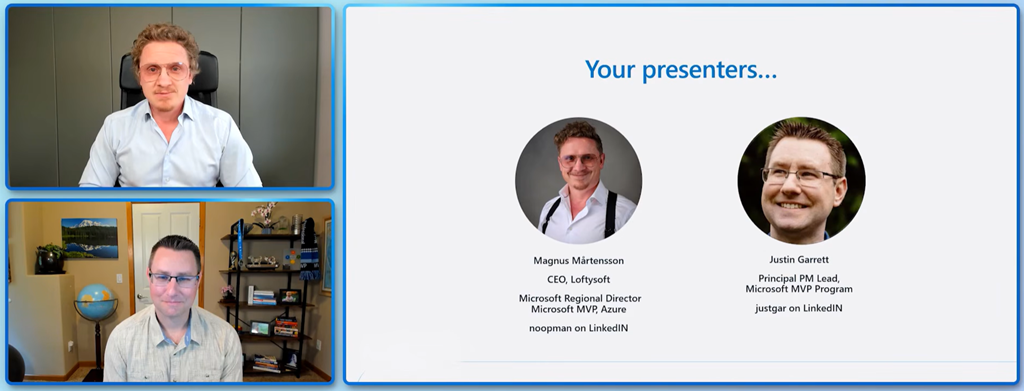
Join host Justin Garrett from the Microsoft MVP Program as he sits down with Magnus Mårtensson, a 14-time Azure MVP, to explore what it takes for enterprises to manage growing data estates with AI-powered observability in Azure. As organizations scale across hybrid environments, multi-cloud platforms, and legacy systems, monitoring application health and managing diagnostic data becomes increasingly complex. In this episode, Magnus explains how Azure Monitor, Service Groups, and AI-assisted investigation are transforming observability by turning massive volumes of telemetry into actionable insight.
You’ll learn how Azure Copilot can analyze logs, detect anomalies, recommend next steps, and help prioritize Azure Advisor recommendations using natural language inside tools like Visual Studio Code. The result: faster investigations, improved uptime, reduced operational overhead, and smarter decision-making across your cloud estate. Whether you're modernizing applications or optimizing resources across subscriptions, this episode highlights real-world strategies for building resilient, cost-efficient systems with AI in Azure.
Magnus Mårtensson is a cloud architecture advisor and founder of Loftysoft, helping organizations design scalable, cloud-native solutions aligned to business strategy. He is an internationally recognized speaker, trainer, and community leader behind events like CloudBurst and Global Azure.
About Justin:
Justin Garrett is host of MVP Unplugged and a Principal PM in Developer Relations at Microsoft, with 20+ years of experience across Windows, Bing, Edge, and Cloud Advocacy. He also leads the Microsoft MVP Program.
.jpg "community (1)")
.jpg "community (3)")
.jpg "community (4)")
.jpg "community (5)")
.jpg "community (7)")
.jpg "community (8)")
.jpg "communitymembers (1)")
.jpg "communitymembers (3)")